 On this day back in 1774 the British Parliament finished digging itself a nice deep hole in North America by passing the “Quartering Act,” the final measure in the sequence known as the “Coercive Acts” or “Intolerable Acts” that systematically dismantled the liberties of British subjects in the New World and provoked the American Revolution.
In these acts they closed the port of Boston, drastically curtailed the powers of the Massachusetts Assembly, sharply infringed the right to trial by a local jury in key cases and put soldiers right in people’s houses, at their expense and inconvenience, to enforce the first three. All, be it noted, in response to a series of protests over taxation without representation.
What exactly possessed Parliament to tear up Magna Carta and blow it in the colonists’ faces has never been entirely clear. Obviously George III had excessive ambitions for the executive branch; he found clever ways of suborning parliamentarians; there was no shortage of ambitious men willing to trample ancient rights to curry favour. But why they thought it would work is a great puzzle and it didn’t. Indeed Massachusetts generally, and Boston in particular, had been regarded with distaste by other colonists until these acts, at which point a massive outpouring of sympathy and political organization led more or less directly to a revolt throughout the colonies. The Declaration of Independence was more than two years off, but the eruption of open war at Lexington and Concord was now only eight months away.
It reminds me of political scientist and Sovietologist Robert Conquest’s “Third Law of Politics”, namely that “The simplest way to explain the behaviour of any bureaucratic organization is to assume that it is controlled by a cabal of its enemies.” It’s funny how often I find myself citing that one when confronted by the PR antics of, say, FIFA. And it applies here.
The crisis leading to the Quartering Act also reminds me of an observation by John Dickinson in 1768. Dickinson is an interesting character, a key figure in the development and self-identification of a distinctive American identity (especially with his Letters from a Farmer in Pennsylvania in 1767-68) and the early organization of the Revolution who nevertheless could not bring himself to endorse Independence, yet served in the Revolutionary War and then became a pioneering abolitionist in the most important sense of freeing his own slaves before helping write the U.S. Constitution (he’s the only Founding Father to free his slaves between 1776 and 1786).
In 1768, observing the trend of British policy in its colonies, Dickinson wrote presciently that the key question in colonists’ minds was “not, what evil has actually attended particular measures – but, what even, in the nature of things, is likely to attend them.” Nations, he added “are not apt to think until they feel,... Therefore nations in general have lost their liberty…” Plenty of people didn’t want to believe that the halting, uncertain but dubious direction of British colonial revenue policy in the 1760s would actually lead to repression. But plenty were at least watchful lest it should, and as the cabal of its enemies apparently controlling British colonial policy dug ever deeper and faster, they drew the appropriate conclusion and pushed back before it was too late.
Nowadays I fear that we are sunk in hedonistic slumber that renders Dickinson’s warning as outdated as his language. The executive branch promises us money and tells us not to worry about the financial, constitutional or moral bill and it feels good so we vote for boodle and mosey on to some other pleasure without pondering where it all might lead. Fortunately the tendency of bureaucratic organizations to be their own worst enemy continues to set off periodic alarm bells. But not, I worry, enough of them.
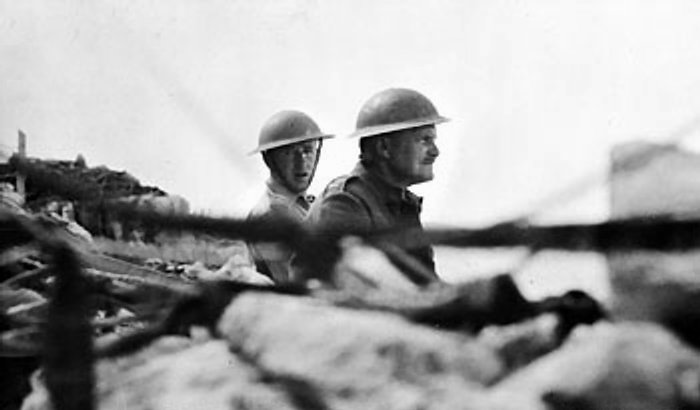 On June 1, 1941, the German Blitzkrieg enjoyed its last great success on the Western front, completing the conquest of Greece by driving the British from Crete. But at too high a price.
 On May 31, 1962, the Israeli government hanged Adolf Eichmann. Which I’ve always found very revealing.
 . A petty, rule-bound, rigid, cold, small-minded genocidal maniac, he looked and acted like the boring colorless forgettable relative you’d avoid at a family gathering lest be bore you to tears describing his minor functionary job, even while directing the death of millions of innocents.
 , about the successful Mossad mission to capture Eichmann in Argentina, includes the telling detail that as a prisoner he not only asked his captors for permission to go to the toilet but, once seated on it, asked again for permission to defecate. And yet he turned his obsession with detail and routine to the task of organizing the extermination the Jews of occupied Europe on behalf of Hitler with horrifying efficiency.
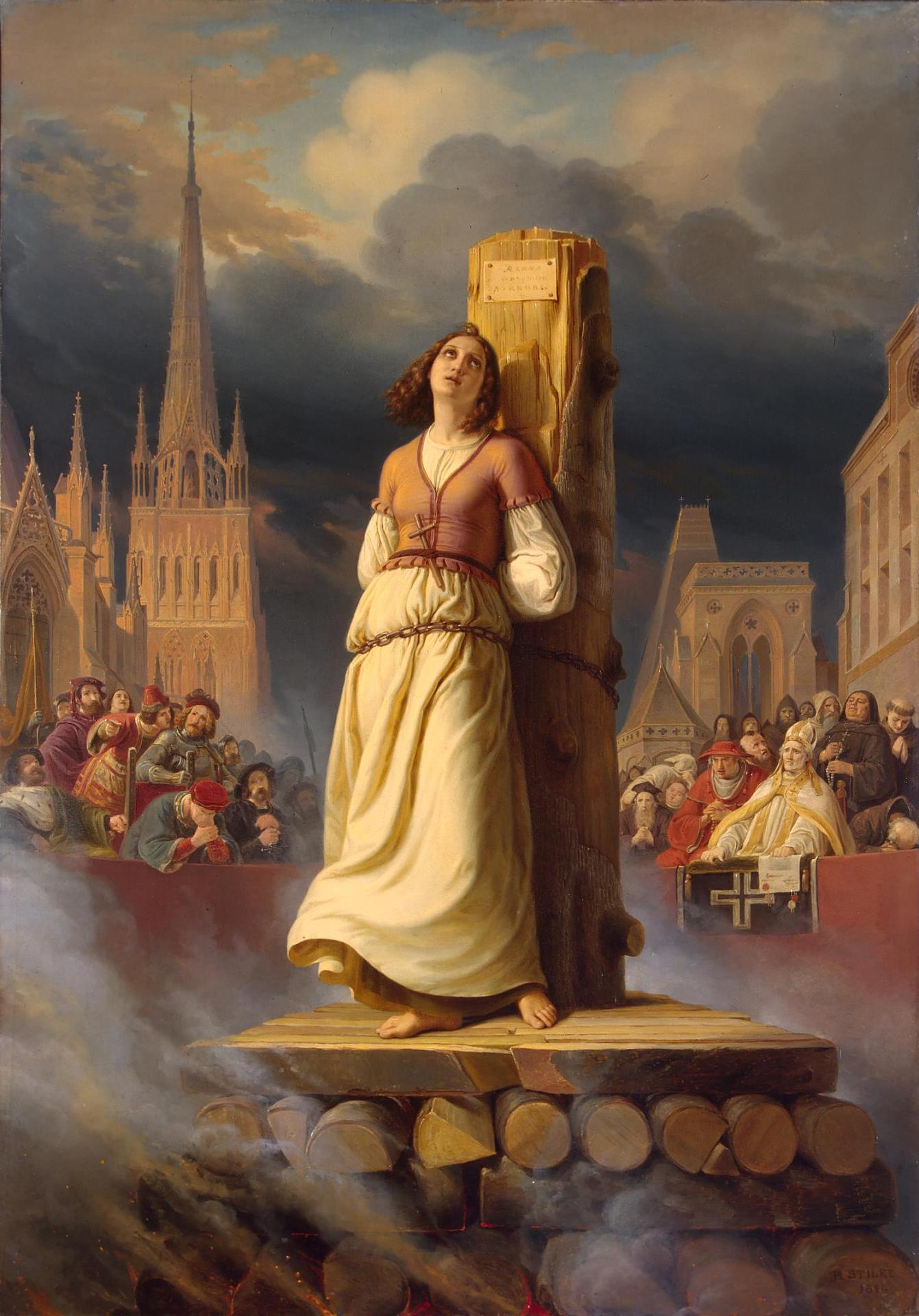 It’s always puzzled me what to make of Joan of Arc. Brave, patriotic, inspired, ultimately canonized. But I can’t admire her. She was apparently unbalanced, she overreached badly and she went up in predictable flames. At the very least she is, I must say, a characteristically French rather than English hero, a fit inspiration for Napoleon rather than Wellington.
 On May 29, in 1953, Edmund Hillary and Tenzing Norgay topped out on Everest and man had climbed as high as he could go without a ladder. They may not have been the first; it is possible that George Leigh “Because it is there” Mallory and Andrew Irvine reached the summit before dying on their fatal 1924 expedition. But Hillary and Tenzing are definitely the first to get there and back down again alive. And it was worth doing.
 If Dracula gives you the willies (see
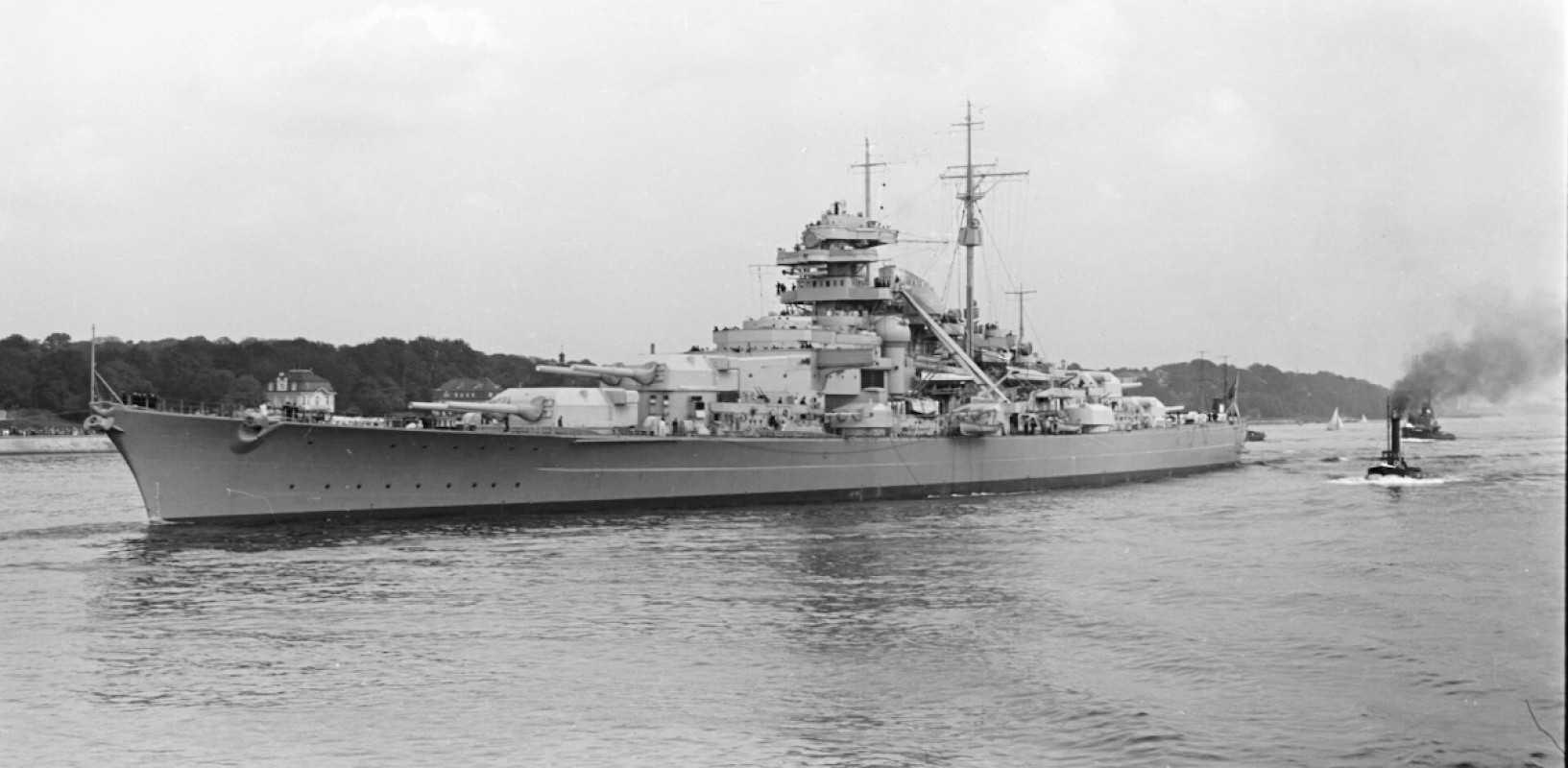 It is exactly 74 years since the Royal Navy sank the mighty battleship Bismarck in one of those improbable upset victories without which World War II would go by a German name through much of the world and liberty would be largely unspoken. And yet the underlying power of liberty is such that, even with their backs to the wall, free societies possess such resilience that like cartoon superheroes, just when they are about to be flattened and the villain is delivering a triumphant monologue, they suddenly summon hidden reserves of strength and triumph.
 On May 26, back in 1897, Dracula first came to death. The most famous vampire in literature, linked more or less randomly to the historical Vlad Tepes, flapped, glided and crept into popular culture and never left.
 series and even worse. But I defy all but the most hardened aficionado even to name Stoker’s predecessors without Googling (if you do, you’ll find “Sheridan Le Fanu's 1871
  ", about a lesbian vampire” and “
 to William Marshall’s
  to
to  and Lincoln slaying… no. I can’t go on. Even though I actually watched Blacula in a drive-in theatre on a double bill with
  , which started strong but fizzled. There is something so compelling in the central vision that it has survived everything in including the endless parodies (think Leslie Nielson in