 Boo.
Boo.
That was Halloween. Now back to Wittenberg. For it was on Oct. 31 (he would not have recognized Halloween; not his kind of thing) in 1517 that Martin Luther nailed his 95 theses to a church door and accidentally launched the Protestant Reformation.
Luther had no intention of doing any such thing. He wanted to reform Catholicism, purify it, rid it of excesses and cynical expedients. And nailing stuff to a church door wasn’t all that radical; it was like posting them online except with a hammer. The church door was where thinkers would see them.
I confess that I cannot like Luther. He was a potty-mouthed, cruel and intolerant man. He hated Jews, peasants and just about everyone else and wasn’t remotely shy about bloodshed. And the whole thing about predestination just makes no sense to me.
Luther, Calvin, that whole set shouting from the rooftops that it didn’t matter what you did because God wasn’t just omnipotent but also arbitrary and closed-minded, and then being willing to sacrifice everything and endure or perform prodigious feats in order to… well, presumably, totally fail to impress God. I don’t get it.
If God’s grace cannot be earned no matter what, who cares what you do, say, or think? What does it matter whether your theology is accurate or, indeed, whether you ever even heard of Jesus?
Fortunately the hillbillies fixed that problem with what is now the dominant American kind of Protestantism, institutionally mostly unstructured but firmly on the side of free will. But that too is a story for another day.
There is no denying that the Catholic Church needed shaking up in 1517. Like any institution full of and run by human beings, it needs it frequently. It’s getting it today and probably mostly for the good. But so do mainline Protestant churches including Lutherans who increasingly couldn’t find a parishioner interested in hearing about their theology if they even remembered what it was.
My point is that most of the good Luther did was accidental. And he also caused a great deal of harm, some by accident and some by the darker side of his character.
Going out on Halloween dressed as Luther probably wouldn’t scare anybody today. But maybe it should.
 It’s important to do the right thing. But if possible you want to do it in the right way.
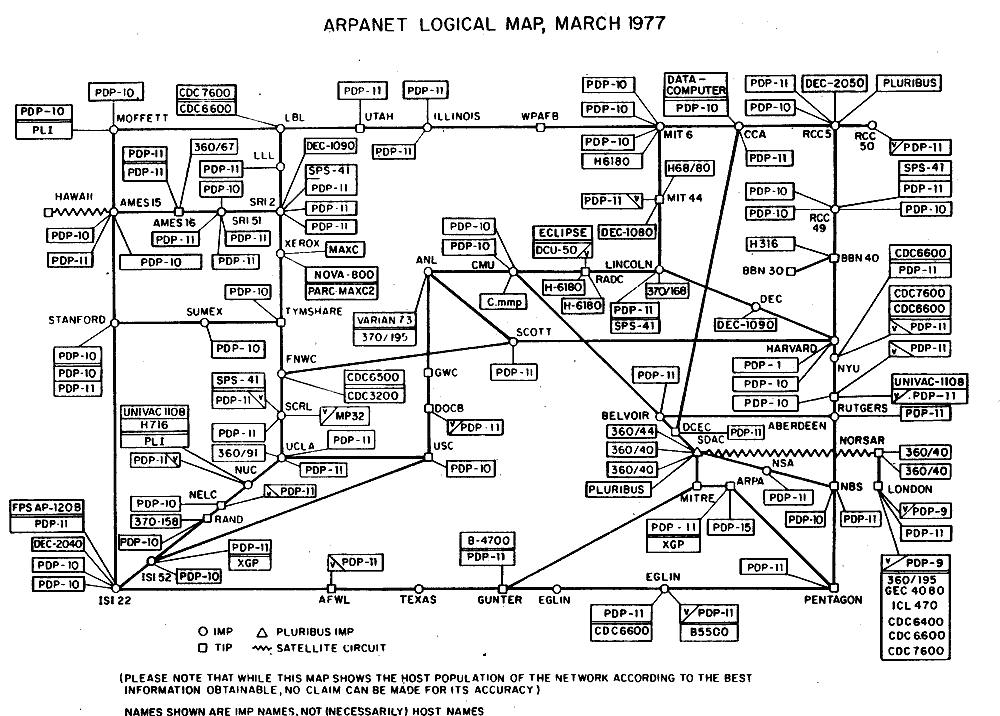 If you remember X, Y and Z protocols for Internet bulletin boards it’s best not to make too much noise about it. Even that pssht pssht boing boing noise those old phone modems make. It’s not a cool party act today. But you might make it quietly in honour of the first computer to computer link, on Oct. 29, 1969, via ARPANET.
 Speaking of unintended consequences, October 28 of 1793 is the day Eli Whitney applied for a patent on the cotton gin. Thanks for the slavery, buddy.
 When farmer Joseph F. Glidden applied for a patent on barbed wire back on October 27, 1873 he helped make World War I possible. You naughty man.
 Speaking of winning the battle but losing the war, this is the anniversary of the thunderous defeat of the Charlottetown Accord in a 1992 referendum. I remember how splendid it was at the time. All the organs of the Canadian Establishment endorsed it, political, media and economic. And the people responded with a resounding “No”, 54.3 to 45.7 percent.
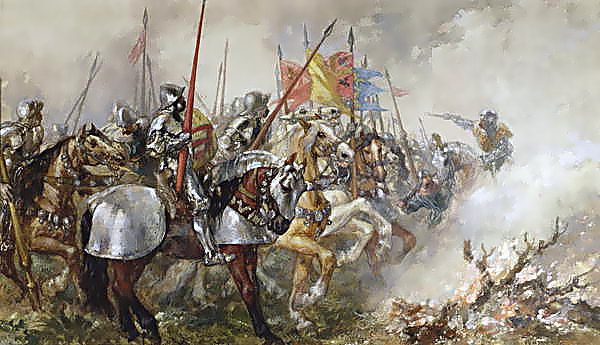 We happy few, we band of brothers. On Oct. 25, 1415, Henry V and his English archers won a stunning victory at Agincourt, slaughtering the arrogant flower of French nobility. It was a glorious if pointless victory.
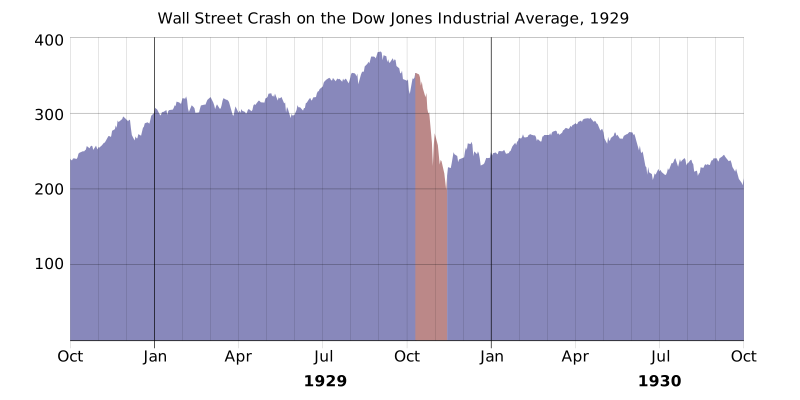 OK, this is a bad one. October 24th 1929, “Black Thursday,” was the start of the Great Crash that triggered the Great Depression, Keynesian economics, economic nationalism and neglect of foreign problems that helped bring World War II, the welfare state and the political domination of the left. On the whole a pretty bad day.