 On October 15th of 1529, Suleiman the Magnificent did a Terminator at the gates of Vienna, abandoning his siege. But the Ottomans would indeed be back, in 1683.
I’m sorry if this is getting monotonous. But don’t blame me. I’m not the one who kept doing it. And the fact is they were back even before 1683, attacking in the Mediterranean and getting stopped at Lepanto as noted earlier in this series (see Oct. 7).
It doesn’t seem to me that it worked out very well. The 1529 retreat was something of a debacle, partly due to bad weather, and thus Suleiman “the Magnificent” initiated the long slow decline that would see the Ottoman Empire become “the sick man of Europe” in the 19th century, taped together and propped up by various European powers because they were afraid of the quarrels it would precipitate among them if it fell to bits. (And with chronic trouble in the Middle East, including Russian warplanes buzzing around Western ones in Syria now, we see that they were right.)
I cannot help noting that highly esteemed rulers in the West are those who defend their people, from Winston Churchill back to Alfred the Great, and are under the law rather than above it. Perhaps Suleiman would have been more genuinely magnificent if he’d concentrated on the welfare of his own people. Instead he had two of his own sons and four of his grandsons murdered; his local title “The Lawgiver” is a bit perplexing in this context though evidently he furnished a series of laws that locked the Empire into institutional immobility during its long decline. And he kept attacking the West which, even as a pragmatic proposition, hasn’t generally worked out well for anyone who persisted in doing it.
Still, there are those for whom it seems to be an unbreakable program.

 On October 13 of 1399 King Henry IV of England was crowned. Which might not strike you as especially important unless you are from the 14th or 15th century. But you are.
 Back in 1971, on Oct. 12, the U.S. House of Representatives passed the “Equal Rights Amendment” pertaining to “sex,” as they then called gender, by a massive 354-23 majority. It passed the Senate almost as overwhelmingly in March 1972, 84-8, And with the backing of the political establishment left, right and fringe: from Strom Thurmond and Richard Nixon to George McGovern, Jane Fonda and the AFL-CIO it was sent to the states for what was widely assumed would be easy ratification. But then a strange thing happened. The public got involved.
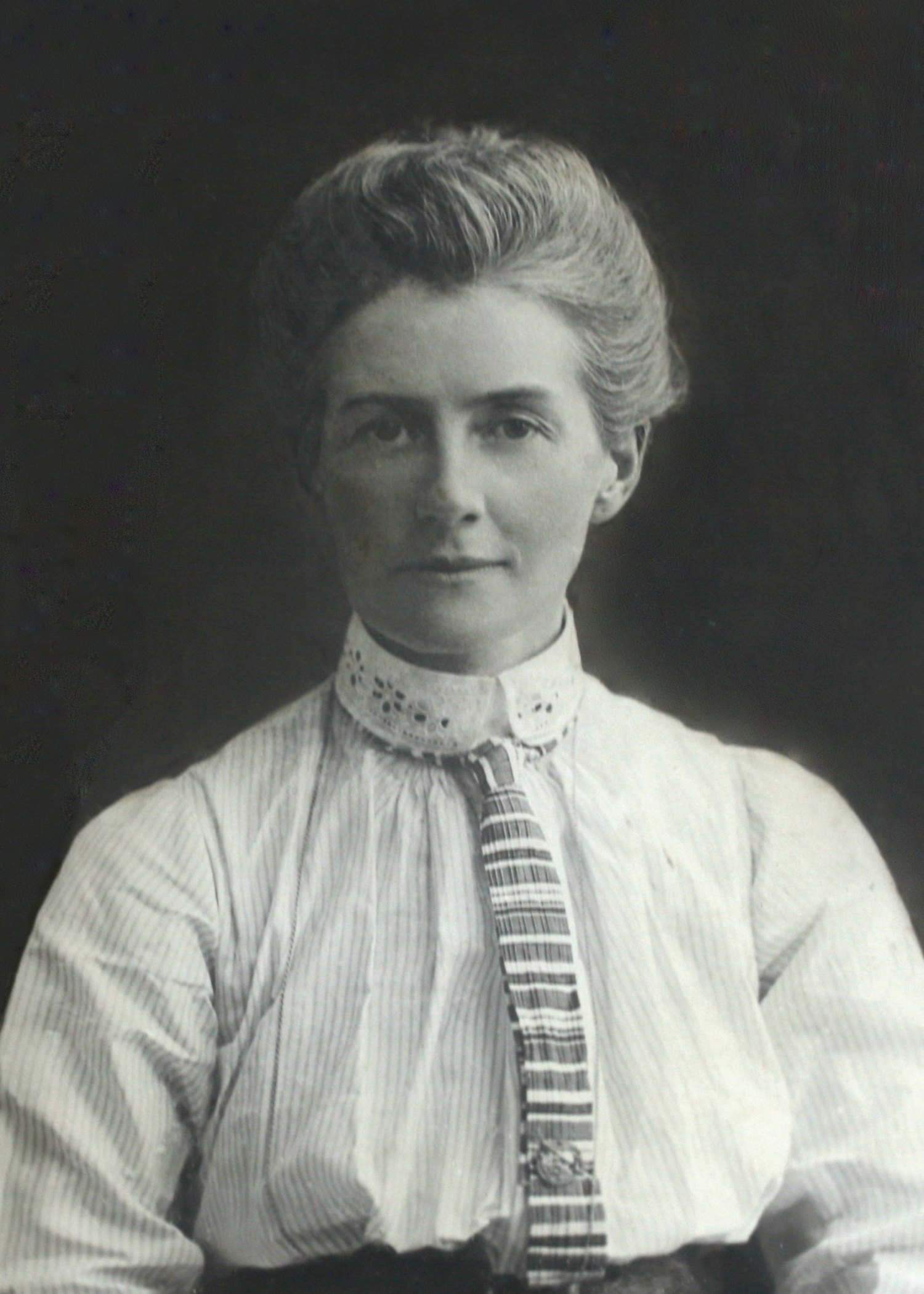 Exactly 100 years ago Edith Cavell, an English nurse in Belgium, was executed by the Germans for helping Allied prisoners escape.
 And while I’m on the subject, today, Oct. 10, is the anniversary of Charles Martel stopping the Muslim invasion of Europe at Tours in 732. Would it be impolite to ask what they were doing there in the first place?
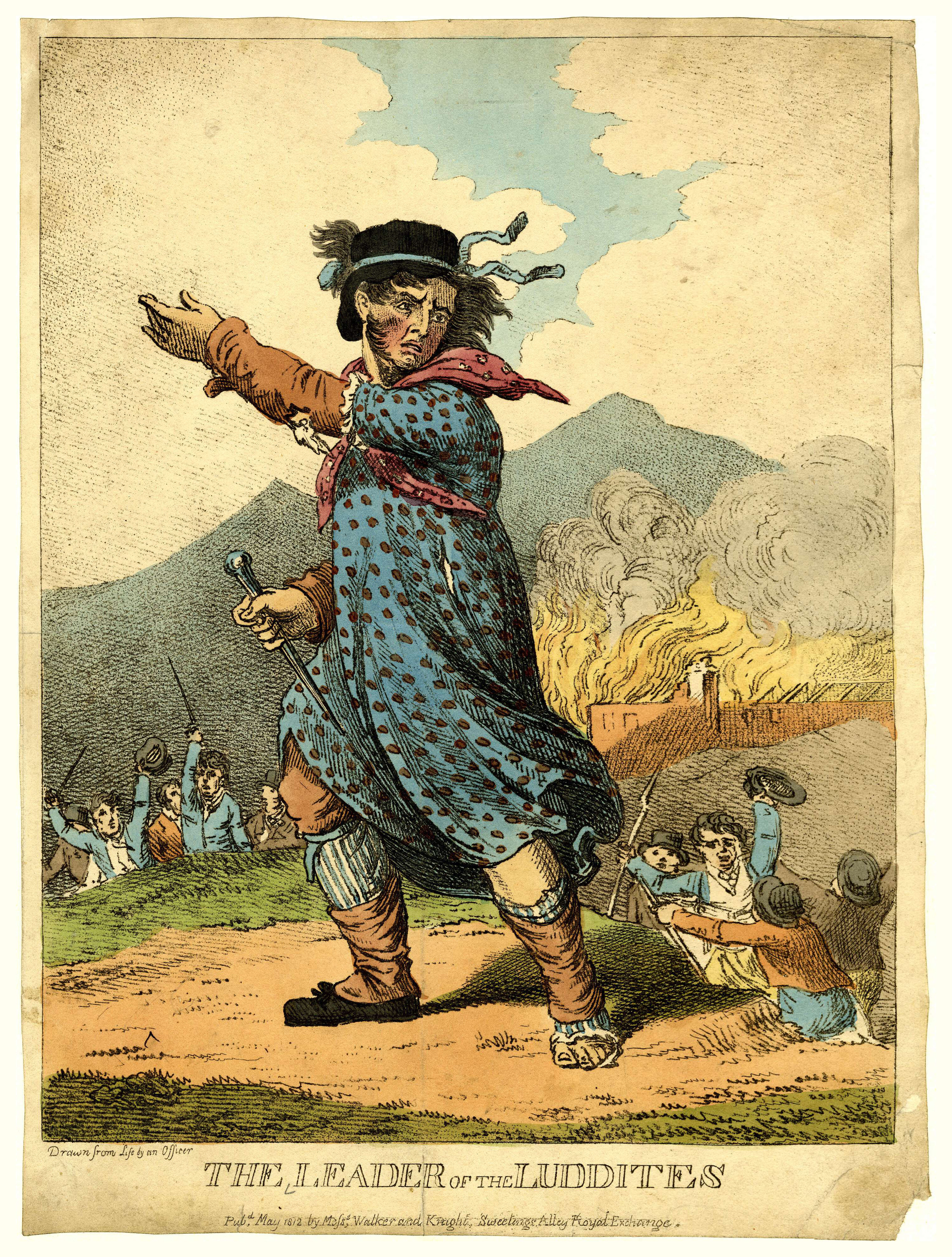 On October 9 1779 textile workers in Manchester, England rioted against cotton-spinning machinery and, allegedly inspired by one Ned Ludd, forever gave the name of Luddites to people who found exactly the wrong answer to a real problem.
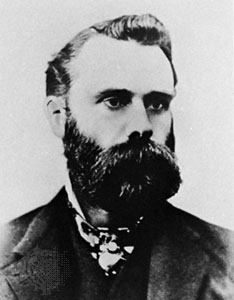 On October 8 of 1897 a journalist named Charles Henry Dow, who founded the Wall Street Journal, started tracking the price of stocks and bonds. I wish he hadn’t. It’s good that he founded the WSJ, a consistent voice for sanity in a world short of same. But stock and bond indexes, and obsessive media reporting of what they’ve done, are nonsense.